
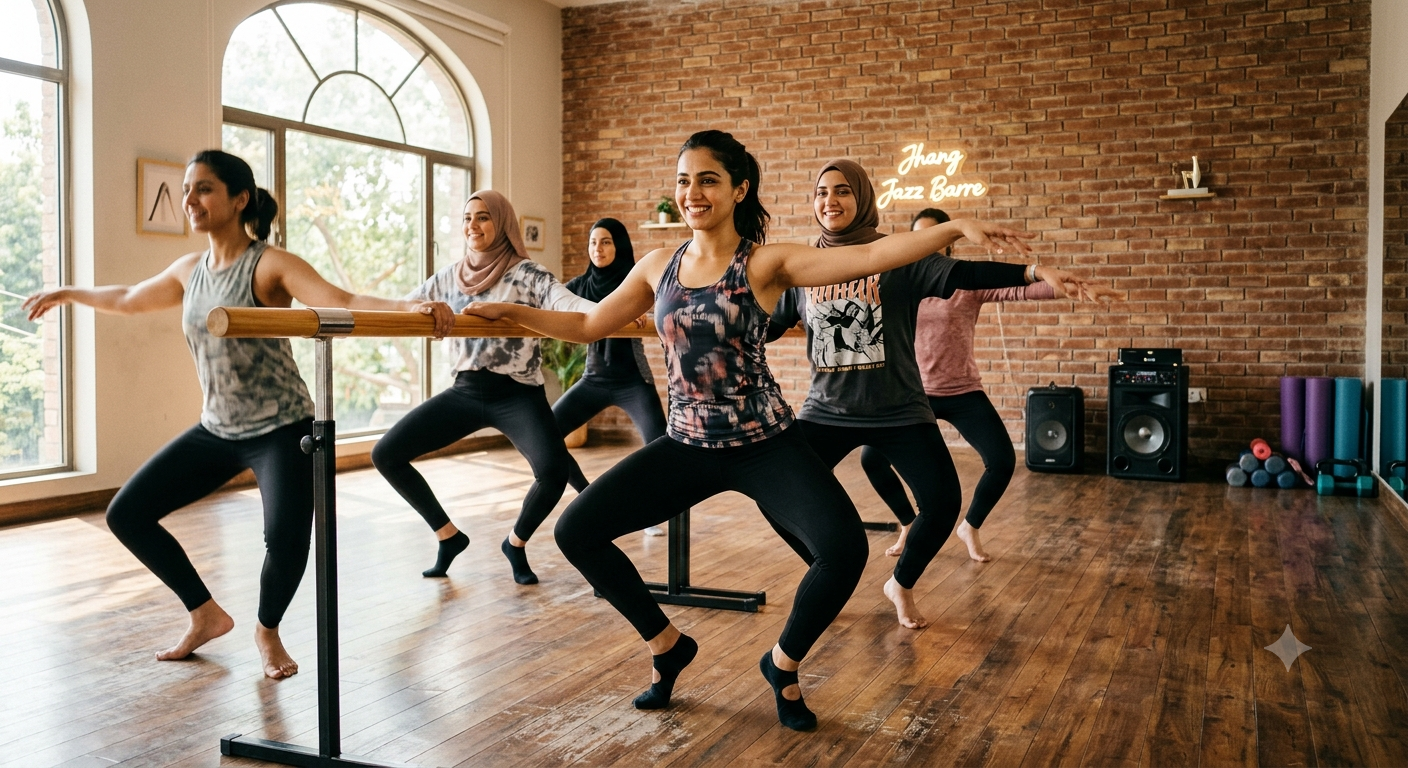
Imagine stepping into a fitness studio where the precise, muscle-burning discipline of ballet conditioning meets the sultry, high-energy syncopation of classic dance. Welcome to jazz barre, a dynamic fusion workout that is rewriting the rules of group fitness. By blending the core-stabilizing benefits of a traditional isometric workout with the expressive, rhythmic movements of jazz, this hybrid routine offers a full-body burn that keeps you moving to the beat.
Whether you are a seasoned dancer looking to maintain your technique or a fitness enthusiast bored with standard gym routines, this approach provides a refreshing alternative. It strips away the rigid formality of classical training while retaining the intense physical benefits. In this comprehensive guide, we will dive deep into the world of jazz barre, exploring its unique benefits, core movements, and how it can transform your weekly fitness regimen.
What Exactly is Jazz Barre?
To understand jazz barre, it helps to look at its component parts. Traditional barre fitness drew its inspiration from the Lotte Berk Method, utilizing a ballet barre to perform small, high-repetition isometric movements that target specific muscle groups to failure. While incredibly effective, some participants find the classical music and repetitive pulsing a bit monotonous.
This hybrid format injects the workout with theatrical flair and athletic bounce. It replaces classical piano loops with upbeat, syncopation-heavy playlists—ranging from vintage swing to modern jazz-pop. Instead of just pulsing in place, you will incorporate isolated isolations, parallel alignments, and expressive footwork that trace their roots straight to Broadway and contemporary dance studios.
The Perfect Marriage of Precision and Passion
-
The Barre Element: Focuses on micro-movements, high-repetition endurance, pelvic stability, and deep core engagement.
-
The Jazz Element: Introduces syncopated rhythms, parallel positions (unlike classical ballet’s strict external rotation), torso isolations, and fluid, stylized transitions.
The Core Physical Benefits of a Jazz Barre Workout
Engaging regularly in a jazz barre class does more than just burn calories; it fundamentally alters how your body moves, reacts, and carries itself. Because it hits both slow-twitch and fast-twitch muscle fibers, the conditioning is exceptionally well-rounded.
1. Enhanced Muscular Endurance and Sculpting
By utilizing your own body weight or light hand weights, the class targets deep stabilizing muscles that standard weightlifting often misses. The high-repetition structure fatigues the muscles thoroughly, promoting a lean, sculpted aesthetic without putting undue stress on your joints.
2. Improved Cardiovascular Health and Rhythm
Unlike traditional classes that keep your heart rate relatively steady, the addition of jazz choreography introduces cardiovascular spikes. Shifting between isometric holds at the barre and active, across-the-floor jazz progressions creates a natural interval training effect.
3. Greater Dynamic Flexibility
Static stretching has its place, but active, dynamic stretching is what protects joints during everyday movement. This format uses sweeping jazz movements—like kicks, tilts, and lunges—to open up tight hip flexors, hamstrings, and shoulders through a functional range of motion.
+------------------------+-----------------------------------+-----------------------------------+
| Fitness Attribute      | Traditional Ballet Barre          | Jazz Barre Fusion                 |
+------------------------+-----------------------------------+-----------------------------------+
| Primary Music Style    | Classical, Instrumental, Ambient  | Jazz, Swing, Pop, Funk            |
| Foot & Leg Alignment   | Heavy emphasis on Turnout (1st/2nd)| Parallel, Forced Arch, Turned Out |
| Cardiovascular Load    | Moderate / Low (Steady State)     | High / Variable (Intervals)       |
| Movement Style         | Linear, Rigid, Isolated Pulsing   | Fluid, Syncopated, Expressive     |
+------------------------+-----------------------------------+-----------------------------------+
Anatomy of a Jazz Barre Class: What to Expect
If you are walking into a jazz barre studio for the first time, leave your intimidation at the door. You do not need a background in professional dance to follow along. The class is structured logically to warm your body up safely before diving into high-intensity tracks.
The Warm-Up and Muscular Isolation
Classes typically begin in the center of the room without the support of the barre. You will start with full-body movements to increase your heart rate, followed by classic jazz isolations—moving just your head, shoulders, ribs, or hips independently to sharpen your mind-body connection.
Thigh and Glute Work at the Barre
This is where the signature burn happens. Facing or standing profile to the barre, you will engage in variations of pliés, relevés, and pulses. However, expect a twist: you might hold a parallel plié while adding a syncopated hip roll or a sharp shoulder drop to keep your brain engaged while your quadriceps work overtime.
Abs, Core, and Cool-Down
The final portion of a jazz barre session moves to the mat. Core conditioning often utilizes principles from Pilates but integrates jazz-style abdominal crunches and twists. The class concludes with a deep, relaxing stretch designed to elongate the muscles you just worked and lower your heart rate.
Essential Jazz Barre Vocabulary and Movements
To help you feel confident during your first few sessions, let’s demystify some of the common terms and movements your instructor will likely call out.
The Forced Arch
One of the most defining postures in jazz barre is the forced arch. To execute this, you bend your knees into a plié while simultaneously lifting your heels high off the floor into a relevé. It requires immense ankle strength, stabilization, and core control, delivering an intense burn to the calves and thighs.
Jazz Parallel Position
While classical ballet relies heavily on “turnout” (rotating the legs outward from the hip sockets), jazz frequently utilizes a parallel position. Your toes, knees, and hips face directly forward. This alignment is highly functional for daily activities like walking and running, helping to correct common muscular imbalances in the knees and hips.
The Jazz Square (Box Step) with a Pulse
A staple of dance choreography, the jazz square involves stepping across, back, side, and forward in a box pattern. In this fitness adaptation, the step is heavily stylized and dropped low into a squatting pulse, turning a classic dance step into a serious glute and hamstring incinerator.
                       [1. Forward Step]
                              │
                              ▼
     [4. Side Step] ◄───────────────────► [2. Cross Step]
                              ▲
                              │
                        [3. Back Step]
How to Prepare for Your First Class
Stepping into a new workout environment can feel daunting, but a little preparation goes a long way. Having the right gear and mindset will ensure you get the most out of your jazz barre experience.
-
What to Wear: Opt for form-fitting athletic wear like leggings and a supportive tank top. This allows the instructor to easily check your spinal alignment and knee tracking.
-
Footwear Choices: You can join the class barefoot, wear sticky grip socks to prevent sliding, or use lightweight jazz shoes if you want a more authentic dance feel.
-
Hydration is Key: Because of the continuous movement and cardio intervals, you will sweat more than you would in a traditional ballet-based class. Bring a water bottle and sip frequently.
Why Jazz Barre is Excellent for Longevity and Mental Health
The benefits of a structured jazz barre practice extend far beyond physical aesthetics. One of its most profound advantages is its cognitive impact. Memorizing short, syncopated movement combinations forces your brain to create new neural pathways, providing a potent workout for your memory and coordination.
Furthermore, the expressive nature of jazz dance provides an emotional release. Blasting upbeat music and channeling your inner performer acts as an incredible stress reliever. It shifts your focus entirely to the present moment, making it an excellent practice for mindfulness and mental clarity.
Conclusion: Step Up to the Barre
If you are searching for a workout that challenges your body without draining your spirit, jazz barre is the answer. It beautifully bridges the gap between strict athletic conditioning and joyful, rhythmic self-expression. By combining the best elements of isometric endurance and jazz styling, it keeps your muscles guessing and your mind completely engaged. Find a local class or stream a session online, step up to the barre, and let the rhythm transform your fitness journey.
Frequently Asked Questions
1. Do I need previous dance experience to take a jazz barre class?
Absolutely not. While the class utilizes terminology and movements derived from jazz dance, every sequence is broken down into simple, accessible fitness steps. Instructors offer modifications for all fitness levels, ensuring that beginners can easily keep up while seasoned dancers still find plenty of challenge.
2. How many calories can I expect to burn during a session?
On average, a 45-to-60-minute session can burn anywhere between 350 and 500 calories. This number varies based on your body weight, metabolism, and the specific intensity of the cardio intervals integrated by your instructor.
3. Is jazz barre safe for individuals with knee or back pain?
Yes, it is generally highly accessible because it is low-impact, meaning there is minimal jumping or hard pounding on your joints. However, because of movements like the forced arch, it is crucial to communicate any pre-existing injuries to your instructor before class so they can provide personalized alignment modifications.
4. What equipment do I need to practice at home?
If you are working out from home, you do not need a professional studio setup. A sturdy kitchen counter, the back of a heavy chair, or a solid piece of furniture can serve as your barre. You can also add a yoga mat for floor work and a light pair of dumbbells (1 to 3 pounds).
5. How many times a week should I do this workout to see results?
To build consistency, notice improvements in your posture, and develop muscular endurance, aiming for 2 to 3 sessions per week is ideal. This frequency gives your muscles adequate time to recover between workouts while still yielding noticeable strength and flexibility gains within a few weeks.
