
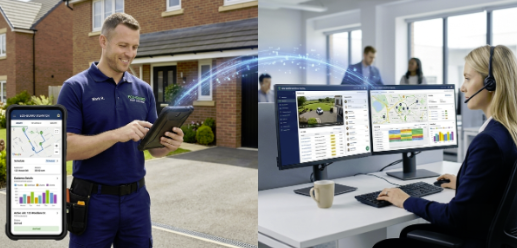
There are 150 million field service dispatches scheduled globally every day, and each one represents a critical touchpoint for a service brand. When a technician lacks real-time information at the doorstep, productivity plummets and client trust dissolves. Modern mobile CRM technology bridges this operational gap by putting comprehensive client histories, diagnostic guides, and scheduling tools directly into the pockets of your field staff.
Why Offline Capability Matters for Technicians
The primary issue with legacy database systems is their reliance on stable cellular networks. When technicians service remote areas or basement utility rooms, they lose access to critical service histories and scheduling updates.
Modern field platforms resolve this by offering local database replication. Technicians can update job statuses, attach photographic evidence, and collect customer signatures while completely disconnected.
The software automatically syncs these changes the moment a signal is reacquired, which prevents administrative bottlenecks back at the office. This continuous data flow is why decision-makers view mobile field service operations as critical to business growth and retention.
Driving Efficiency Through Real-Time Coordination
When your office staff and field technicians operate on different wavelengths, scheduling conflicts and missed appointments become inevitable. Transitioning to a mobile-first database environment ensures that dispatcher modifications reflect instantly on a technician’s mobile screen.
This rapid synchronization allows dispatchers to adjust routes dynamically when urgent calls arrive or traffic patterns change. Technicians no longer need to check in via phone calls or return to the warehouse to pick up paper work orders.
Boosting On-Site Performance and Sales
Armed with complete asset histories and customer preferences, technicians shift from simple service providers to trusted consultants. Having instant access to historical equipment data allows technicians to diagnose problems accurately on the first attempt.
To systematically improve these interactions, service businesses use specialized software to manage customer relationships and streamline billing workflows. This access allows technicians to recommend precise upgrades, log preventative maintenance notes, and provide transparent digital estimates on the spot. Providing this level of transparency directly translates to higher customer satisfaction scores and stronger brand loyalty.
Elevating the Client Experience From First Contact
Modern clients expect the same transparency from service providers that they receive from consumer delivery apps. Mobile CRM applications automatically trigger text notifications when a technician is en route, complete with real-time location tracking and estimated arrival times.
When service companies modernize their field operations, they see a massive financial upside. A comprehensive Forrester study revealed that companies achieve an average 346% return on investment when upgrading service operations with modern mobile field tools.
This level of efficiency completely redefines the customer relationship. Providing automated updates, precise arrival windows, and instant digital invoicing shows your customers that you respect their time. At a time when technology makes marketing to the right audience easier, you don’t want to drop the ball when you actually get face-to-face with new prospects.
Implementing a Mobile-First Strategy
Transitioning to a mobile CRM framework requires a clear understanding of your team’s daily challenges and workflow limitations. Successful implementation relies on choosing intuitive interfaces that require minimal training for your field crew.
Your transition strategy should prioritize a few key areas of optimization:
- Automatic route generation that reduces travel time between service calls
- Instant digital signature capture for immediate invoicing and dispute resolution
- Photo upload capabilities that document completed work for service verification
By focusing on these core utilities, you can ensure high adoption rates among your field staff. The reduction in paper-based administrative tasks will allow your technicians to focus entirely on delivering exceptional service, just as reducing paperwork across professional contexts improves productivity and job satisfaction.
Tracking Environmental Safety and Compliance on Site
Field operations often face strict state and federal compliance mandates that require meticulous record-keeping during every service call. Mobile CRM platforms solve this administrative headache by integrating digital material safety data sheets (MSDS) and chemical application logs directly into the standard workflow.
Technicians can instantly record exact product amounts, targeted pests, and application areas while standing on the property. This immediate data entry eliminates transcription errors and keeps the business constantly prepared for regulatory audits without manual paperwork.
Upgrading Your Service Delivery Workflows
Empowering your field technicians with mobile CRM technology removes the administrative barriers that hold back business growth. If you want to learn more about optimizing your business operations, check out our blog posts detailing a range of other advice and guidance.
