
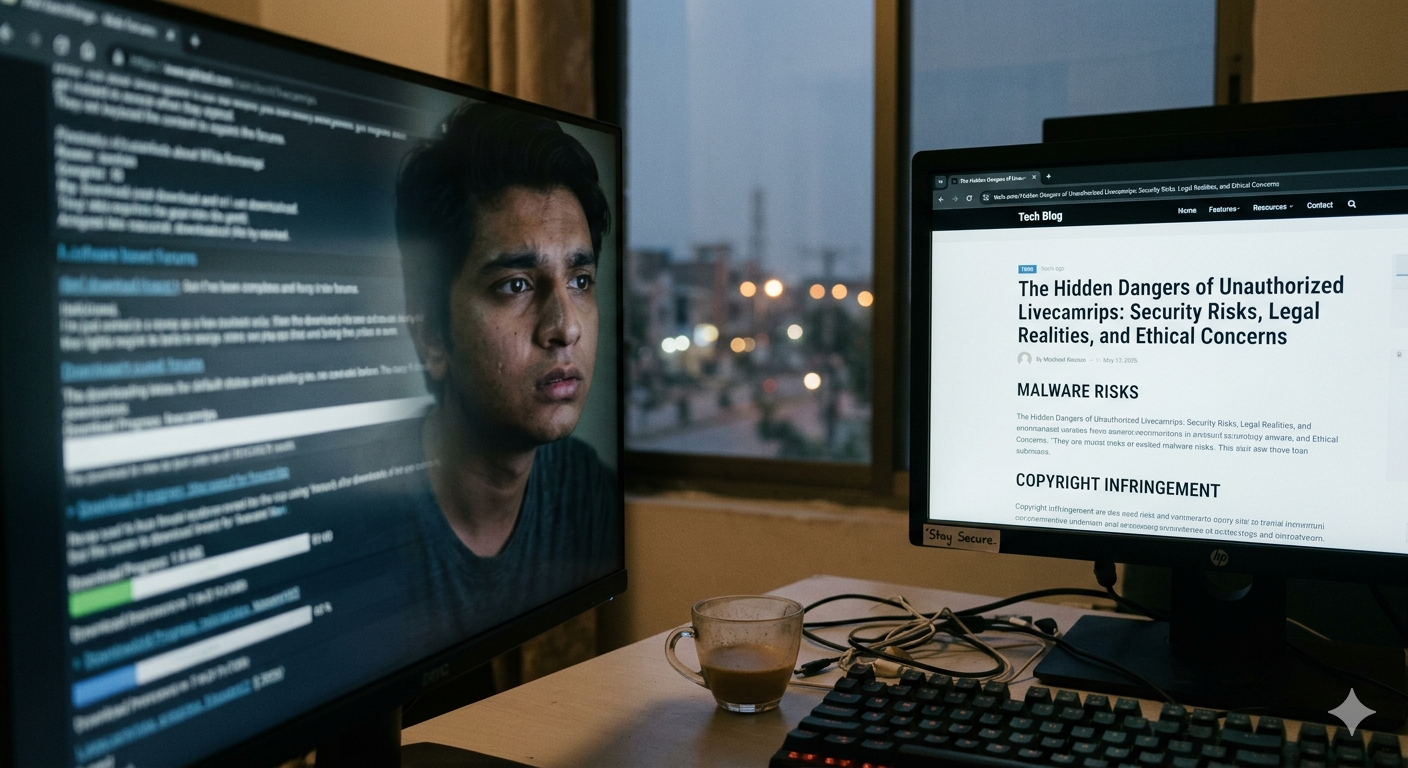
The landscape of online entertainment is massive, fast-moving, and continuously shifting. Among its many corners, the term livecamrips has steadily gained traction in search engines and community forums alike. While it sounds like a casual internet buzzword, it represents a highly problematic and risky corner of the web.
But what exactly is the reality behind this trend? Simply put, it refers to the unauthorized recording, ripping, and distribution of live broadcast content from content creators. For the average internet user, stumbling across these platforms might seem like an easy way to access media. However, pulling back the curtain reveals severe cyber security issues, active legal vulnerabilities, and systemic ethical violations.
Understanding these dynamics is crucial for protecting your digital identity. This article provides an objective, comprehensive breakdown of how these distribution networks operate, the risks they pose to consumers, and how the industry is fighting back.
What Are Livecamrips and How Do They Exist?
At its core, the phenomenon involves a third party capturing a live stream using screen-recording software or specialized scraping scripts. Once recorded, these files are, packaged and uploaded to aggregate index sites.
These operations usually bypass standard platform access rules. Creators who broadcast live rely on a direct relationship with their audience. When their media is recorded without permission and re-uploaded, it creates an unauthorized ecosystem that entirely detaches the content from its original source.
The platforms that host this material are rarely built for the user’s benefit. They operate with a singular goal: to generate massive amounts of ad traffic using content they do not own. Because they cannot use legitimate advertising networks, they rely on aggressive, high-risk monetization models that actively endanger visitors.
The Severe Security Threats of Using Aggregator Sites
Visiting websites dedicated to unverified streaming files is a digital minefield. Because these domains exist outside mainstream internet regulations, they serve as primary hubs for malicious activity.
1. Malvertising and Intrusive Pop-ups
When you interact with these platforms, clicking anywhere on the screen frequently triggers a cascade of hidden scripts. These networks rely heavily on malvertising—a technique where malicious code is embedded within seemingly normal online advertisements.
-
Invisible overlays: Clicking a play button or close icon often opens a hidden background tab that loads malicious domains.
-
Forced redirects: Your browser can be automatically hijacked and pushed to landing pages designed to steal data.
-
Deceptive notices: Fake alerts may claim your computer is infected with a virus, tricking you into downloading fake cleaning tools.
2. Drive-By Downloads and Malware Packaging
Unlike secure, legitimate media streaming platforms, unauthorized indexers frequently exploit browser vulnerabilities. A “drive-by download” can happen without you ever clicking a confirmation box, quietly dropping spyware, adware, or ransomware onto your operating system. Furthermore, files masquerading as video formats often turn out to be executable files designed to compromise your device.
3. Identity Theft and Tracking Pixels
Recent cybersecurity measurements show that unverified video-sharing platforms utilize heavy request tunneling. This means they bundle dozens of hidden tracking scripts into single network requests to slip past standard ad-blockers. These trackers extract data points about your machine, browser configurations, and location, mapping out a digital profile that can be sold to data brokers on the dark web.
The Legal and Intellectual Property Landscape
Engaging with unauthorized media distribution systems carries significant legal implications under international intellectual property frameworks.
Copyright Infringement and DMCA Violations
Content creators own the strict copyright to their likeness, broadcasts, and recorded media. Distributing or hosting pirated content without explicit written consent violates the Digital Millennium Copyright Act (DMCA) in the United States, alongside parallel copyright protections across Europe and Asia.
[Original Stream] ---> [Unauthorized Capture] ---> [Host Indexer Site] ---> [Consumer Device]
                                                          |                     |
                                                 (Direct Copyright Lawsuit) (ISP Tracking & Fine)
While law enforcement and legal teams primarily target the operators running the distribution networks, the end consumer is, not entirely shielded. Internet Service Providers (ISPs) actively monitor data packets for flagged pirate networks. Consistently accessing illegal streams can result in copyright strikes, throttling of your internet speeds, or complete termination of your web service contract.
The Changing Regulatory Environment
Global cybercrime divisions are rapidly closing loopholes. Regulatory bodies now utilize automated tracking algorithms that flag domain names associated with stolen media. This results in sudden domain seizures and structural takedowns, rendering these spaces completely unstable for anyone attempting to build a personal media collection.
The Ethical and Financial Impact on Creators
Beyond the immediate technical and legal dangers to the consumer, the existence of these platforms causes deep financial damage to independent broadcast creators.
-
Loss of Direct Income: Creators rely on memberships, digital tips, and community interaction to sustain their business. Piracy channels sever this income loop completely.
-
Loss of Control over Content: Once a broadcast is ripped and uploaded to a public aggregator, the creator loses the ability to delete or manage where their image appears.
-
Lack of Recourse: Independent artists must spend hundreds of hours and thousands of dollars filing legal takedown notices to combat global pirate syndicates.
When consumers choose to utilize secure, official channels, they ensure that the creators are fairly compensated for their labor, time, and creative output. This financial support directly allows creators to upgrade their production quality, maintain secure platforms, and continue delivering reliable content.
How to Protect Your System and Stream Safely
If you want to maintain a clean digital footprint and avoid the compounding risks of unverified video sites, you must adopt a proactive cybersecurity posture.
Transition to Verified, Official Channels
The easiest way to remove risk entirely is to use verified platforms that offer built-in security protocols. Official streaming spaces use encrypted HTTPS layers, data protection policies, and vetted advertising partnerships that ensure your machine remains safe.
Deploy Comprehensive Security Tools
If you must navigate complex web environments, never do so unprotected. Implement a multi-layered security grid to block background code and unauthorized downloads:
Conclusion
The allure of accessing free, unverified content hubs might seem harmless at a glance, but the reality behind livecamrips is undeniably hazardous. Between the immediate threats of malvertising, tracking scripts, and identity theft, the technical risks to your personal devices are incredibly high. Coupled with the legal complications of copyright violation and the ethical damage done to independent content creators, utilizing these networks simply isn’t worth the fallout.
By prioritizing your digital safety, investing in robust security tools, and supporting creators through legitimate, encrypted channels, you protect both your hardware and your online privacy.
Frequently Asked Questions
1. Are websites that host livecamrips legal to visit?
No, in most jurisdictions, accessing these platforms falls into a legal gray area or outright copyright violation. The sites distribute copyrighted material without authorization from the legal owners. While law enforcement focuses primarily on the site operators, consuming pirated media can lead to warning letters or service suspension from your Internet Service Provider.
2. Can my computer get infected just by viewing a video on these sites?
Yes. Modern cyber threats utilize “drive-by downloads,” where malicious code is, executed through hidden scripts running in the background of your web browser. You do not have to physically download a file to compromise your system; simply loading the site’s media player can trigger a malware infection.
3. Why does my ad-blocker fail to stop pop-ups on these index sites?
Many unauthorized streaming networks use advanced request tunneling. They hide their tracking pixels, cookie grabbers, and pop-up scripts inside a single, complex request that mirrors standard site architecture. This effectively camouflages the ad content, causing basic ad-blockers to miss them entirely.
4. How do content creators fight back against unauthorized rips?
Creators work alongside specialized digital rights management (DRM) agencies to issue DMCA takedown notices. They also use automated digital fingerprinting to scan the web and instantly flag unauthorized copies of their live streams for removal.
5. What are the safest alternatives for watching live broadcasts?
The safest approach is to use the official, verified platforms where the creator originally hosts their stream. These platforms provide secure, encrypted connections, verified payment portals, and strict data privacy protections that keep your computer and identity completely safe.
