
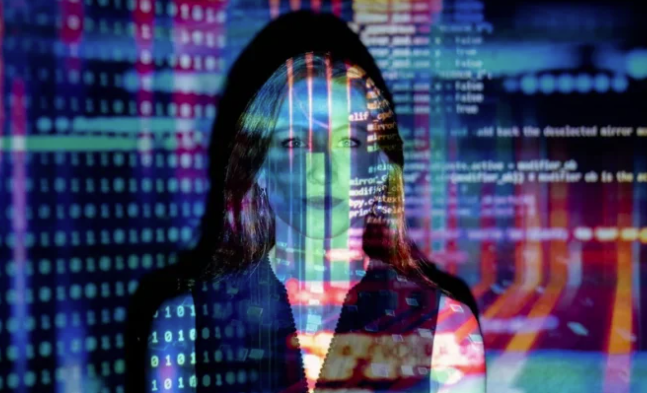
AI photo editing used to be simple. People adjusted brightness, added filters, removed red eyes, or smoothed a selfie before posting it online. The goal was usually to make a photo look cleaner or more flattering.
Now the tools are much more powerful.
AI can change backgrounds, generate professional headshots, swap faces, create fantasy portraits, redesign outfits, restore old photos, and produce realistic images that never actually existed. Some of these tools are genuinely useful. Others sit in a much more controversial space because they can change a person’s identity, body, or private appearance in ways that raise serious questions about consent and misuse.
That is why AI photo editing has become one of the internet’s biggest creative trends and one of its most uncomfortable debates.
AI Avatar Generators
AI avatar generators are among the most popular and least controversial tools in this space. People upload selfies and receive stylized versions of themselves: fantasy characters, anime portraits, cyberpunk looks, professional avatars, or social media profile images.
These tools are popular because they turn ordinary photos into something more expressive. A person can look like a game character, a movie poster lead, or a polished creator brand.
The risk is usually lower when users edit their own images. Still, privacy matters. Uploading selfies to any AI platform means sharing personal visual data. Users should always check whether the platform stores images, allows deletion, or uses uploads for training.
Face Swap Tools
Face swap tools are more controversial.
At their most harmless, they are used for memes, jokes, parody clips, or creative edits. But they can also be used to impersonate people, create fake content, or make misleading images and videos.
The issue is not only technical quality. Even a low-quality face swap can cause confusion if it spreads quickly. A manipulated image of a real person can damage trust, especially when viewers do not know it has been edited.
Face swaps should be treated carefully. If the image involves another real person, permission should come first.
AI Beauty and Body Editors
Beauty editors have existed for years, but AI has made them stronger and more realistic. These tools can smooth skin, reshape facial features, change body proportions, adjust expressions, and create an idealized version of someone’s appearance.
The controversy here is partly cultural. When edited images become too common, real photos can start to feel “not good enough.” This can affect self-image, especially for younger users who already compare themselves to polished photos online.
The best use of beauty editing is subtle. Good editing improves lighting and clarity without erasing what makes a person look real.
AI Clothes Changers
AI clothes changer tools can be useful in fashion, e-commerce, design, and creative content. A user can preview different outfits, create style concepts, or test product visuals without a full photoshoot.
But these tools also need boundaries. Changing clothing on a real person’s image can become sensitive depending on the context. A fashion preview is one thing. Editing someone else’s photo without permission is another.
For brands, creators, and casual users, the same rule applies: if the image shows a real person, use it respectfully and with consent.
Undress AI Tools
Few AI photo categories are more controversial than undress-related tools. These tools attract attention because they promise dramatic image transformation, but they also raise major ethical and privacy concerns.
If someone uses an undress ai function, consent should be the first requirement, not an afterthought. It should not be used on another person’s photo without clear permission, and it should never be used to embarrass, sexualize, threaten, or misrepresent someone.
This is where curiosity can cross a serious line. A fake image can still cause real harm. It can affect a person’s reputation, relationships, mental health, or safety, even if the image was generated artificially.
The existence of a tool does not make every use acceptable.
Deepfake-Style Image Editors
Deepfake-style tools are controversial because they can make synthetic media look believable. They can place someone’s face into a different scene, create false impressions, or make it appear as if a person did something they never did.
Some deepfake technology has legitimate uses in film, entertainment, accessibility, education, and satire. But the same technology can also be used for scams, harassment, fake endorsements, political manipulation, and impersonation.
The more realistic these tools become, the more important labeling and verification become. Users should be skeptical of shocking images and videos, especially when they appear without a reliable source.
AI Background and Scene Generators
These tools are usually less controversial, but they can still mislead.
AI can place a person in a luxury setting, a fake office, a travel destination, or a professional studio environment. For personal creativity, that may be harmless. For business, dating, real estate, travel, or product promotion, it can create false expectations.
If an AI-generated background changes the meaning of the image, users should be careful. A fake environment can make something look more successful, exclusive, or real than it actually is.
Why These Tools Became So Popular
The appeal is obvious: AI photo editing is fast, accessible, and surprising. People enjoy seeing different versions of themselves and others. The internet has always loved transformations, from makeover videos to before-and-after edits.
AI makes that transformation instant.
But the speed is also the danger. When tools are easy to use, people may act before thinking. They may upload photos casually, ignore privacy policies, or test sensitive features on images that do not belong to them.
That is why digital responsibility has to catch up with the technology.
AI photo editing tools are not all the same. Some help people create avatars, improve portraits, restore images, or design better visuals. Others create serious risks because they can alter identity, appearance, or context in ways that affect real people.
The safest rule is simple: use AI image tools on your own content, respect consent, avoid misleading edits, and think carefully before sharing anything realistic.
AI can make photos more creative, more polished, and more entertaining. But when an edit involves a real person, the question should not only be “Can this be done?”
The better question is: “Should this be done?”
