
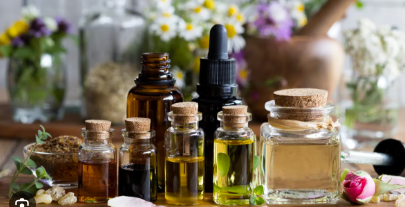
Essential oils have been treasured for centuries for their therapeutic, aromatic, and functional properties. Today, they play a vital role in the pharmaceutical, nutraceutical, cosmetic, food, and aromatherapy industries. These highly concentrated plant extracts contain natural volatile compounds responsible for a plant’s fragrance and many of its beneficial properties.
However, the quality and efficacy of an essential oil depend largely on the extraction method used. Different plants require different extraction techniques to preserve their delicate aromatic compounds while maximizing yield and purity.
In this article, we explore the top four methods of extracting essential oils from plants, along with their advantages, limitations, and ideal applications.
Also Read: Standardized Botanical Extracts
What Are Essential Oils?
Essential oils are, concentrated liquids containing volatile aromatic compounds extracted from various parts of plants, including:
- Flowers
- Leaves
- Bark
- Roots
- Seeds
- Fruits
- Wood
- Resin
These oils are, widely used in:
- Nutraceuticals
- Dietary supplements
- Cosmetics
- Personal care products
- Aromatherapy
- Functional foods
- Pharmaceuticals
- Household products
Because essential oils are, highly concentrated, choosing the right extraction method is crucial to maintaining their natural chemical profile and bioactivity.
- Steam Distillation
The most popular and economically favored technique for obtaining essential oils is steam distillation. The majority of aromatic plants, such as wood, flowers, leaves, and herbs, may use it.
The most popular and economically favored technique for obtaining essential oils is steam distillation. The majority of aromatic plants, such as wood, flowers, leaves, and herbs, may use it.
Also Read: Supercritical Fluid (SCF) Extracts
How It Works
A distillation chamber is filled with either fresh or dried plant material.
The plant material is exposed to steam, which ruptures the essential oil glands. Volatile chemicals are released by the heat and evaporate with the steam.
After entering a condenser, the vapor cools and turns into liquid.
The resulting liquid separates naturally into:
- Essential oil
- Hydrosol (aromatic water)
The essential oil is collected for further filtration and packaging.
Best For
- Lavender
- Peppermint
- Eucalyptus
- Tea Tree
- Rosemary
- Basil
- Lemongrass
Advantages
- Chemical-free extraction
- High purity
- Preserves natural aroma
- Suitable for commercial-scale production
- Environmentally friendly
Limitations
- Not ideal for heat-sensitive flowers
- Longer extraction time
- Higher energy consumption
Steam distillation remains the gold standard for producing high-quality essential oils with excellent stability and purity.
- Cold Press Extraction
The main purpose of cold pressing, sometimes called expression, is to extract essential oils from citrus fruits.
This technique helps maintain delicate aromatic components and fresh citrus notes because it does not use heat like steam distillation does.
How It Works
The outer peel of the fruit is mechanically punctured or pressed.
Pressure releases tiny oil sacs present in the rind.
The extracted liquid is filtered to remove pulp and impurities before packaging.
Best For
- Lemon
- Orange
- Lime
- Bergamot
- Grapefruit
- Mandarin
Advantages
- No heat exposure
- Fresh natural fragrance
- Higher retention of delicate compounds
- Simple extraction process
- Excellent oil quality
Limitations
- Suitable only for citrus fruits
- Lower shelf stability
- May contain natural waxes and pigments
Cold-pressed citrus oils are popular in beverages, cosmetics, perfumes, and aromatherapy due to their vibrant aroma and freshness.
- Solvent Extraction
Some flowers contain extremely delicate aromatic compounds that cannot withstand the heat involved in steam distillation.
For these plants, solvent extraction offers an effective alternative.
How It Works
A food-grade solvent that dissolves aromatic chemicals is used to soak plant material.
A waxy material known as concrete is produced once the solvent has evaporated.
In order to eliminate wax and create an absolute—a highly concentrated fragrant extract—the concrete is further treated with alcohol.
Best For
- Jasmine
- Rose
- Tuberose
- Mimosa
- Violet
Advantages
- Excellent fragrance retention
- Suitable for delicate flowers
- Higher extraction efficiency
- Captures complex aromatic compounds
Limitations
- May contain trace solvent residues
- More processing steps
- Not always preferred for therapeutic aromatherapy
Because of their rich fragrance profile, absolutes are widely used in premium perfumes, luxury cosmetics, and personal care formulations.
- Supercritical CO₂ Extraction
One of the most cutting-edge and inventive techniques for producing essential oils of the highest caliber is supercritical carbon dioxide (CO₂) extraction.
This technique acts as a gas and a liquid at the same time by using carbon dioxide under carefully regulated pressure and temperature settings.
Highly pure plant extracts with little heat deterioration are the end product.
How It Works
Carbon dioxide is compressed until it reaches a supercritical state.
It penetrates plant material like a gas while dissolving essential compounds like a liquid.
Once extraction is complete, pressure is reduced, allowing CO₂ to evaporate naturally without leaving any residue.
Only the pure botanical extract remains.
Best For
- Ginger
- Turmeric
- Black Pepper
- Rosemary
- Calendula
- Chamomile
- Vanilla
- Hops
Advantages
- Solvent-free
- No toxic residues
- Low-temperature extraction
- Superior aroma retention
- High concentration of bioactive compounds
- Excellent product stability
- Environmentally friendly
Limitations
- High equipment cost
- Specialized technology required
- Greater investment for manufacturers
Supercritical CO₂ extraction is increasingly preferred for premium nutraceutical ingredients, pharmaceuticals, functional foods, and high-end cosmetic formulations due to its exceptional quality and purity.
Comparison of Essential Oil Extraction Methods
| Method | Best For | Heat Used | Purity | Commercial Use |
| Steam Distillation | Herbs, leaves, wood | Yes | Excellent | Very High |
| Cold Press | Citrus fruits | No | Excellent | High |
| Solvent Extraction | Delicate flowers | Minimal | Very Good | High |
| Supercritical CO₂ Extraction | Premium botanicals | Very Low | Exceptional | Premium Applications |
Choosing the Right Extraction Method
Selecting the appropriate extraction technique depends on several factors, including:
- Plant species
- Desired chemical composition
- Heat sensitivity
- Intended application
- Production scale
- Cost considerations
- Regulatory requirements
For example:
- Steam distillation is ideal for most herbs and leaves.
- Cold pressing works best for citrus peels.
- Solvent extraction is preferred for delicate floral aromas.
- Supercritical CO₂ extraction delivers the highest-quality extracts for premium applications.
