
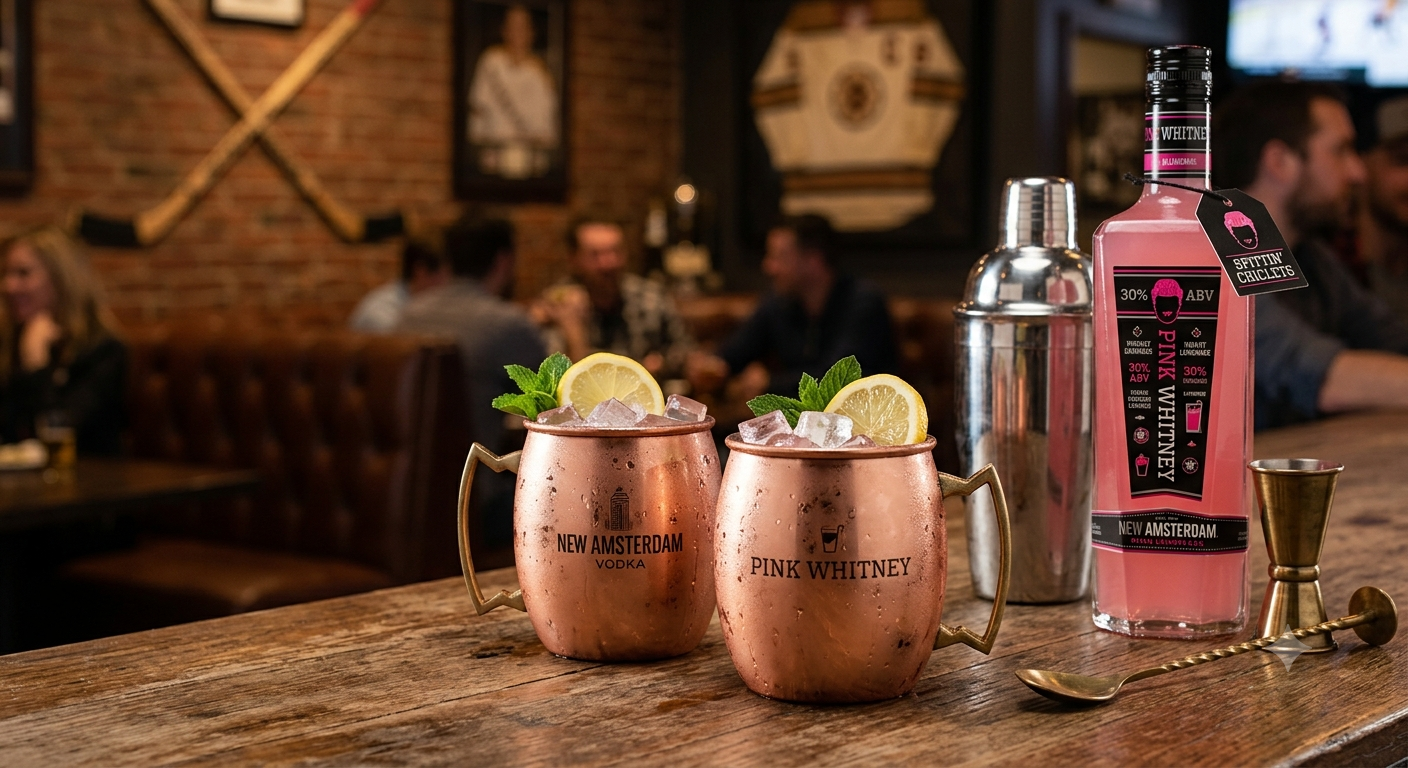
The beverage industry frequently witnesses seasonal trends, but few spirits have captured the cultural zeitgeist quite like Pink Whitney. This pink lemonade-flavored vodka has evolved from a casual podcast conversation into a dominant force in the spirits market. By blending sports culture with mainstream mixology, it has redefined how flavored alcohol is marketed and consumed.
Whether you are a hockey enthusiast, a casual partygoer, or a spirits collector, understanding the phenomenon behind this vibrant drink is essential. This comprehensive guide explores the history, flavor profile, and versatility of Pink Whitney, offering practical insights into why it remains a favorite choice across North America.
The Origin Story of Pink Whitney
Every major beverage brand has a starting point, but the inception of Pink Whitney is uniquely modern. The drink was not conceived in a corporate boardroom or by a master distiller analyzing market gaps. Instead, it grew organically from the popular hockey podcast Spittin’ Chiclets, presented by Barstool Sports.
During a 2018 episode, former NHL player and co-host Ryan Whitney shared his personal preference for drinking vodka. He explained that his favorite drink combination was standard New Amsterdam Vodka mixed with a heavy pour of pink lemonade. The simple combination masked the harsh alcohol bite while delivering a refreshing, nostalgic flavor profile.
[Spittin' Chiclets Podcast] ➔ [Viral Fan Recipe] ➔ [E&J Gallo Partnership] ➔ [Pink Whitney Launch]
The response from the show’s audience was immediate. Listeners began mixing the drink at home, sharing their creations on social media using the unofficial nickname Pink Whitney. Recognizing the immense grassroots demand, New Amsterdam Vodka and its parent company, E&J Gallo, fast-tracked an official product development phase to bottle the exact flavor profile fans were craving.
When the product officially launched in September 2019, the initial inventory management plans underestimated the demand. The distillery produced one million bottles, expecting the supply to last through a standard one-year seasonal cycle. Instead, the entire inventory sold out across North America within six weeks, cementing the drink as an instant commercial success.
Production, Ingredients, and Flavor Profile
To appreciate Pink Whitney, one must understand what goes into the bottle. The spirit is produced in California by E&J Gallo, utilizing a foundational base that ensures a clean execution of the added flavors.
The Distillation Process
The base spirit is crafted from high-quality grains. It undergoes a meticulous production cycle to strip away impurities:
-
Five-times distilled to achieve a neutral alcohol baseline.
-
Three-times filtered through traditional carbon media for structural smoothness.
-
Infused with natural pink lemonade flavor and real cane sugar to create the final product.
Key Specifications
| Attribute | Specification |
| Base Spirit | New Amsterdam Vodka (Grain-based) |
| Alcohol by Volume (ABV) | 30% (60 Proof) |
| Flavor Additive | Natural Pink Lemonade & Cane Sugar |
| Color Profile | Translucent, Vibrant Blush Pink |
| Distillery | E&J Gallo (California, USA) |
Tasting Notes
On the nose, the spirit delivers an immediate, bright aroma of sweetened citrus and candied lemon peel. Unlike lower-tier flavored spirits, the scent does not carry a harsh chemical or medical note. The vodka backdrop remains clean and supportive.
The initial palate entry is intensely sweet, closely mimicking the experience of fresh pink lemonade. At mid-palate, a distinct tartness emerges as lemon zest and citric acidity balance the sugary base. The finish is relatively brief and crisp, leaving a lingering candy-sweet fade with a mild, gentle warmth from the 30% ABV baseline.
Why the 30% ABV Baseline Matters
Standard unflavored vodka typically features an Alcohol by Volume (ABV) of 40% (80 proof). Pink Whitney intentional sits lower at 30% ABV (60 proof). This deliberate structural decision serves two distinct functional purposes for consumers.
First, the lower alcohol concentration reduces the natural ethanol burn on the palate. This makes the liquid approachable for casual drinkers or individuals who generally dislike the sharp bite of traditional spirits. The spirit acts as a bridge between low-ABV ready-to-drink canned cocktails and full-strength hard liquors.
Second, the lower proof allows the natural sugars and citrus elements to remain prominent without requiring an excessive amount of artificial masking agents. The 60-proof formulation provides enough structural body to hold up when mixed into complex cocktails, while remaining smooth enough to be consumed neat as a chilled shot.
How to Serve and Mix Pink Whitney
The versatility of Pink Whitney is a major driver of its sustained market popularity. Because it already contains a balanced mix of sweetness and citrus acidity, it eliminates the need for complex, multi-ingredient bar setups.
          ┌──► Chilled Shot (Neat, directly from the freezer)
          │
PINK -----├──► Highball (Top with Club Soda or Sprite over ice)
WHITNEY   │
          └──► Craft Cocktail (Substitute into Cosmos or Mules)
The Ultimate Chilled Shot
The most common way to serve this spirit is straight from the freezer. Lowering the temperature thickens the liquid slightly, enhancing the velvety mouthfeel of the cane sugar while muting the remaining alcohol presence. Pour it directly into a shot glass or serve it over crushed ice for an effortless party serve.
Essential Mixer Combinations
If you prefer a longer, more refreshing beverage, the spirit pairs exceptionally well with basic carbonated mixers:
-
Club Soda / Seltzer: This is the preferred mixer for reducing sweetness. The effervescence opens up the citrus aromas while diluting the sugar density.
-
Lemon-Lime Soda: For those who prefer an aggressively sweet, high-energy flavor profile, mixing with Sprite or 7-Up amplifies the citrus notes.
-
Ginger Beer: The sharp, spicy kick of ginger cuts through the berry-lemon sweetness, creating a complex, multi-dimensional highball.
-
Iced Tea: Combining equal parts spirit and unsweetened black tea creates an adult version of a classic Arnold Palmer.
Curated Pink Whitney Cocktail Recipes
While excellent on its own, Pink Whitney can serve as an innovative base ingredient for elevated mixology. Below are three curated cocktail recipes designed to highlight the spirit’s unique sweet-tart profile.
1. The Crimson Cosmopolitan
A vibrant twist on the iconic metropolitan classic. The built-in lemonade notes reduce the need for heavy modifications, creating a cleaner, brighter cocktail.
-
Ingredients:
-
2.5 oz Pink Whitney
-
1.0 oz Cranberry Juice (Unsweetened)
-
0.5 oz Fresh Lime Juice
-
Lemon twist for garnish
-
-
Instructions:
-
Fill a professional cocktail shaker with clean ice cubes.
-
Add the spirit, cranberry juice, and freshly squeezed lime juice.
-
Shake vigorously for 15 seconds until the exterior of the shaker frosts over.
-
Strain into a chilled martini glass and express the lemon twist over the surface.
-
2. The Fresh Thyme Spritz
An herbal, sophisticated presentation that transforms the casual spirit into a refined afternoon beverage perfect for warm weather.
-
Ingredients:
-
2.0 oz Pink Whitney
-
2.0 oz Dry Prosecco or Champagne
-
2.0 oz Club Soda
-
3-4 Fresh Thyme Sprigs
-
A thin lemon wheel
-
-
Instructions:
-
In the bottom of a large wine glass, gently muddle three fresh thyme sprigs to release their aromatic oils.
-
Fill the glass completely with cubed ice.
-
Pour in the flavored vodka, followed gently by the dry prosecco.
-
Top the mixture with club soda and stir slowly from the bottom to combine.
-
Garnish with a fresh lemon wheel and an upright thyme sprig.
-
3. The Mosaic Mule
A refreshing variation of the Moscow Mule, where the sharp spice of ginger plays naturally against the bright citrus base.
-
Ingredients:
-
2.0 oz Pink Whitney
-
4.0 oz Premium Ginger Beer
-
0.25 oz Fresh Lime Juice
-
Fresh mint sprig
-
-
Instructions:
-
Pack a traditional copper mule mug with crushed ice.
-
Pour the flavored vodka directly over the ice.
-
Squeeze in a touch of fresh lime juice to add top-note acidity.
-
Fill the remainder of the mug with a high-quality, spicy ginger beer.
-
Stir gently with a bar spoon and garnish with a clapped mint sprig.
-
Culinary Pairings: What to Eat with Pink Whitney
When hosting an event, pairing your beverages with complementary food enhances the overall consumer experience. The distinct sweet and tart profile of Pink Whitney requires foods that can either contrast its sweetness or mirror its natural acidity.
Savory and Spicy Dishes
The high sugar content and crisp acidity make this spirit an excellent foil for spicy culinary traditions.
-
Spicy Tacos and Nachos: The citrus notes cut through heavy fats like cheese and sour cream, while the sweetness cools down capsaicin heat from jalapenos.
-
Citrus-Glazed Shrimp Skewers: Grilled seafood featuring a lime or orange glaze creates a seamless, complementary bridge with the vodka’s lemon profile.
Light and Fresh Appetizers
Avoid pairing this spirit with incredibly heavy, cream-based dishes or thick cuts of red meat, which will overwhelm the palate.
-
Summer Salads: A crisp spinach or arugula salad featuring goat cheese, strawberries, and a light balsamic vinaigrette mirrors the fruit-forward nature of the drink.
-
Charcuterie Boards: Focus on mild, creamy cheeses (like Brie), salted almonds, and cured meats like prosciutto, which offer a savory contrast to the sweet beverage.
Market Influence and Commercial Impact
The commercial trajectory of Pink Whitney has permanently altered modern liquor marketing frameworks. Historically, spirits brands relied on legacy heritage, expensive television advertisements, or high-profile celebrity endorsements to establish market share.
Traditional Spirits Marketing: [Legacy Heritage] ➔ [Mass Media Ads] ➔ [Consumer Adoption]
Modern Media Framework:       [Podcast Audience] ➔ [Organic Viral Demand] ➔ [Instant Retail Success]
Barstool Sports bypassed this traditional pipeline entirely by leveraging an engaged, highly loyal digital subculture. The Spittin’ Chiclets audience felt an authentic sense of ownership over the product because they watched its development play out in real-time on audio feeds and social channels.
Today, it stands as the number one flavored vodka in North America, boasting lifetime sales well in excess of 15 million bottles. This success has forced legacy beverage conglomerates to rethink their product development cycles, shifting their focus toward digital creators, internet subcultures, and organic social listening to spot the next major consumer trend.
Conclusion
The sustained success of Pink Whitney demonstrates that it is much more than a brief internet trend. By combining the reliable, five-times-distilled smoothness of New Amsterdam Vodka with an iconic, accessible pink lemonade flavor profile, the brand created a highly versatile product that appeals to casual consumers and experienced hostesses alike.
Its lower 30% ABV makes it exceptionally easy to drink neat, while its distinct citrus-sweet structure provides an efficient base for a wide array of effortless cocktails. Whether you are mixing a batch of summer spritzes or serving quick shots at your next gathering, this pink spirit offers a reliable balance of fun, flavor, and modern culture. To experience it best, keep a bottle tucked away in your freezer so it is always ready to pour.
Frequently Asked Questions
Is Pink Whitney stronger than regular vodka?
No, it is actually weaker than standard unflavored vodka. Traditional vodka is typically bottled at 40% ABV (80 proof), whereas Pink Whitney is formulated at 30% ABV (60 proof). This intentional reduction lowers the harsh alcohol burn and highlights the sweet citrus flavors.
Do you need to mix Pink Whitney with anything?
You do not need to mix it. Because it is infused with real cane sugar and natural pink lemonade flavor, it is designed to be fully enjoyable on its own. It is most commonly served straight as a chilled shot or poured directly over a glass of crushed ice.
How many calories are in a shot of Pink Whitney?
A standard 1.5-ounce shot contains approximately 100 to 110 calories. Because it contains real cane sugar to achieve its signature pink lemonade flavor, it has a higher carbohydrate and calorie count than a standard shot of unflavored, zero-sugar vodka.
Does Pink Whitney need to be refrigerated after opening?
It does not require refrigeration after opening because the 30% alcohol content acts as a natural preservative that prevents spoilage. However, storing the bottle in your refrigerator or freezer is highly recommended to ensure it is always served at the optimal temperature.
How does Pink Whitney compare to Smirnoff Pink Lemonade?
While both options sit at 30% ABV and feature similar flavor profiles, they have subtle differences in execution. Smirnoff’s version tends to lean slightly sweeter with a more distinct, candy-like finish. Pink Whitney balances its sugar base with a bit more tart lemon peel acidity and benefits from New Amsterdam’s five-times distillation process, yielding a cleaner overall profile.
