
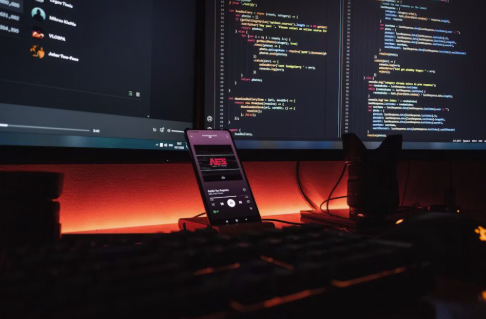
Building a game requires immense processing power, but high-end development setups can quickly drain a startup budget. Micro-studios frequently struggle to balance the cost of top-tier GPUs, dev kits, and testing hardware against minimal initial funding.
The goal is simple: maximize your technical runway while minimizing upfront capital output. By understanding local hardware lifecycles and alternative acquisition strategies, your team can access AAA-grade development environments on an independent budget.
High-End Specifications for Modern Game Engines
Modern game development demands robust local hardware to compile code and render complex scenes efficiently. Relying on outdated processors or minimal RAM causes massive bottlenecks during daily engine builds.
Prioritize balanced processing power, choose multi-threaded processors and adequate storage speeds, your performance depends on hardware component synergy.
Investing in multi-core processors and fast NVMe storage keeps your team building instead of waiting. Affordable multi-platform optimization requires smart component choices from day one.
Measuring Average Equipment Costs for Small Teams
Working on a budget also means facing the hard topics head-on. Outfitting a small team of five developers with production-ready workstations easily approaches fifteen thousand dollars. This initial spike in overhead can paralyze a studio before the prototype phase even concludes.
Unlike traditional leasing programs that lock you into rigid upgrade schedules, equipment financing allows you to own your production assets while keeping cash reserves intact. As long as you partner with a flexible lender, you can secure flexible capital without paperwork to acquire workstations immediately.
This strategic approach preserves your operational capital for payroll and marketing expenses.
Local Hardware Versus Cloud Workstations
Cloud-based virtual desktops offer a tempting alternative to purchasing expensive local physical rigs. They eliminate immediate upfront costs and allow instant scaling for remote contract artists.
However, long-term cloud subscription fees frequently surpass the total cost of ownership of physical machines within twelve months. Studios often discover that 60% of indie creators rely on self-funding or external capital to secure dedicated local setups. Physical hardware maintains residual value and provides predictable, flat operational costs.
Smart Sourcing via Refurbished Enterprise Gear
Buying brand-new consumer hardware at retail prices is an expensive habit for an unlaunched studio. Enterprise-grade workstations coming off corporate leases offer incredible reliability at a fraction of original costs.
The following sources provide reliable, production-ready gear without the retail markup:
- Certified refurbished business servers handle automated build compilations effortlessly
- Off-lease professional workstations offer ECC memory stability for long rendering sessions
- Authorized factory outlet stores provide full manufacturer warranties on open-box items
- Local liquidation auctions frequently feature high-end displays and office infrastructure
Navigating Console Dev Kits and Testing Devices
Securing console development kits requires direct platform holder approval and specialized hardware compliance. You cannot simply build a console game using standard retail hardware alone.
Many creators look for alternative avenues like early-stage incubators that provide direct hardware access to target platforms. Testing your builds on physical dev kits early prevents massive optimization headaches prior to certification.
And with these platform-specific costs factored into your baseline roadmap, launch timelines become more realistic.
Balancing Upgrades with Long Hardware Lifecycles
Chasing every single new GPU release cycle will bankrupt an early-stage studio. Designing a sustainable upgrade roadmap involves staggered component replacement rather than complete machine overhauls.
Get a strong GPU, try NVIDIA RTX 4060 Ti or Intel Arc B570, the graphics card determines quality in 3D image processing and viewing.
Upgrading system memory and storage drives can extend a workstation’s lifespan by several years. This modular approach keeps your production pipeline relevant without repeating major capital expenditures.
Designing a Five-Person Studio Tech Budget
A realistic hardware budget must allocate specific funds for specialized roles within the development team. Artists, programmers, and sound designers all require distinctly optimized machine configurations.
Allocating your resources effectively requires understanding specific workflow demands:
- Dedicate the highest GPU budgets specifically to your primary 3D environment artists
- Focus on maximum processor core counts and high RAM for programming workstations
- Budget for color-accurate monitors to ensure visual consistency across different display panels
Mitigating Risk with Warranties and Support Plans
Hardware failures during a major production milestone can jeopardize publisher deadlines. Hiccups here can stall or launch windows. And, relying on consumer-grade warranties often results in weeks of costly project downtime.
Securing next-business-day on-site support plans keeps your team active when components fail. Protecting your core infrastructure assets with proper coverage plans prevents unexpected emergency replacement fees. Longevity and predictable maintenance are the ultimate goals for studio financial health.
Maximizing Every Technical Dollar
Navigating the early technical hurdles of game production requires a deliberate balance between capital preservation and computing power. Choosing local hardware, utilizing refurbished enterprise assets, and leveraging strategic financing keeps your development pipeline moving. Smart studios view hardware as a multi-year investment that must scale efficiently alongside game systems.
Scroll the blog for more posts on gadgets and equipment that established and would-be independent gaming creators, as well as what the curious consumer wants to know about.
