
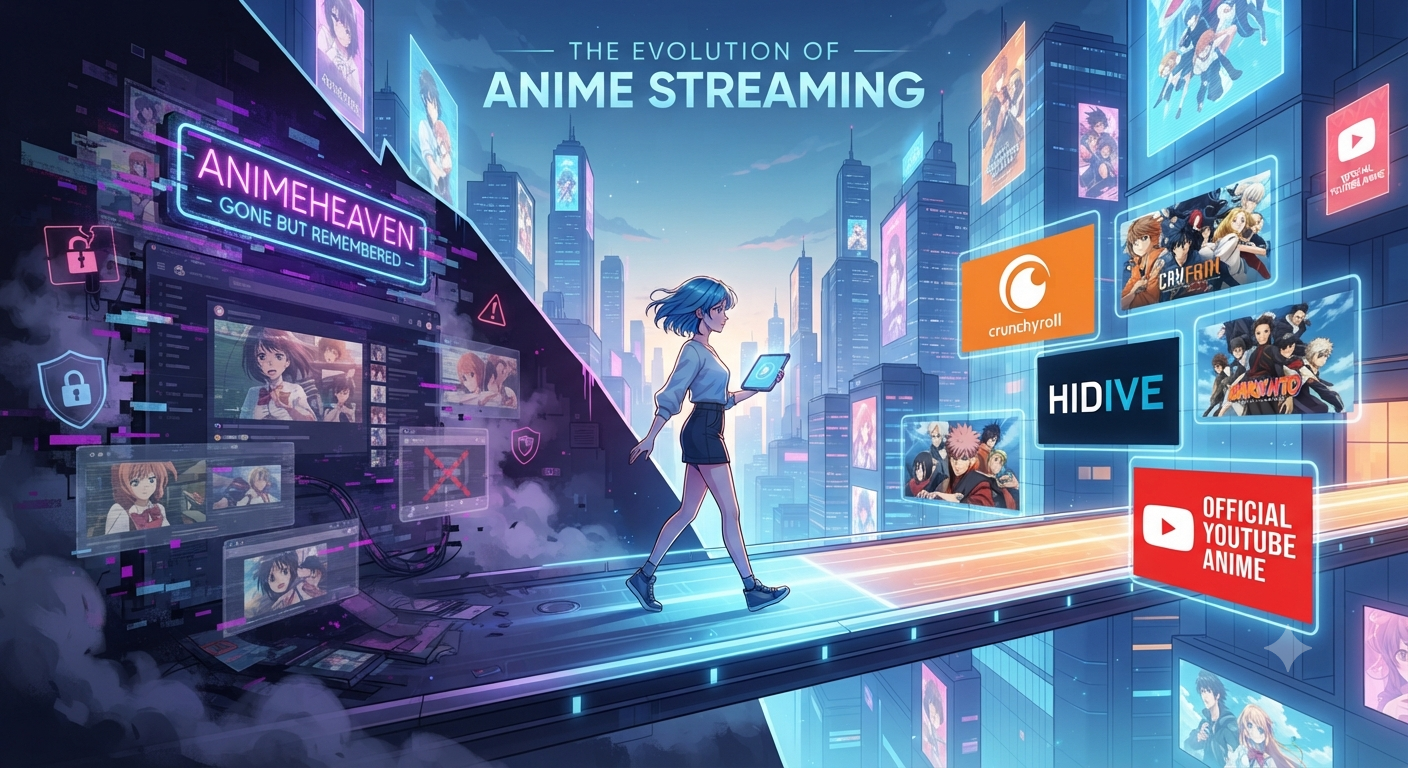
In the vast ecosystem of online streaming, Animeheaven once stood as a titan for fans looking for quick, accessible, and extensive libraries of Japanese animation. For years, the name was synonymous with “free streaming,” drawing millions of viewers who wanted to catch the latest simulcasts without the barrier of a subscription. However, the landscape of digital media is constantly shifting, and the story of Animeheaven is a cautionary tale of copyright enforcement, site instability, and the changing demands of the global anime community.
As we navigate through 2026, it is essential to understand what these platforms really represent. While many users associate Animeheaven with convenience, the reality behind these unofficial hubs involves a complex web of legal challenges, security risks, and technical hurdles. Whether you are a long-time fan or new to the medium, understanding the history and status of Animeheaven is the first step toward becoming a more informed viewer.
What Was Animeheaven and Why Did It Matter?
At its peak, Animeheaven served as a massive repository for both classic and trending anime series. It gained popularity by offering a user-friendly interface that allowed fans to filter by genre, release year, and status—all without requiring a sign-up or monthly fee.
The primary appeal of Animeheaven was the “all-in-one” experience. Rather than jumping between different licensed providers to find specific shows, users could visit one location to find everything from One Piece to niche 90s OVAs.
-
Ease of Access: No login credentials or payment methods were required.
-
Vast Library: Thousands of titles were available, often updated shortly after their Japanese broadcast.
-
Community Hub: Many iterations of the site featured comment sections where fans could discuss episodes in real-time.
However, the “free” nature of Animeheaven came at a hidden cost. Because the site operated without official licensing agreements, it became a primary target for copyright holders. The constant cycle of domain shutdowns and re-emerging “clone” sites created an unstable environment that eventually led to a decline in user trust and accessibility.
The Risks: Is Using Sites Like Animeheaven Safe in 2026?
If you come across a site claiming to be Animeheaven today, caution is your best friend. Security experts and cybersecurity firms consistently flag these types of platforms as moderate-to-high risk. The primary concern is not just the legal ambiguity but the malware and tracking infrastructure often embedded in such sites.
Common Security Threats
When you visit an unofficial streaming platform, you aren’t just watching a video. You are often interacting with third-party ad networks that have little to no oversight.
-
Intrusive Pop-ups: These are often used to distribute “scareware”—fake pop-ups claiming your computer is infected, encouraging you to download malicious software.
-
Hidden Trackers: Many unauthorized sites use invasive cookies to track your browsing habits, which are then sold to third-party data brokers.
-
Malvertising: This involves malicious code embedded within banner ads. Even if you don’t click anything, simply loading the page can expose your browser to exploits.
Because these sites rely on ad revenue to stay afloat, they often ignore the quality or safety of the advertisements they host. If you must explore these corners of the web, using a robust ad-blocker, a reputable antivirus, and a VPN is not just recommended—it is essential.
The Legal Landscape: Why Copyright Matters
The anime industry is a multi-billion dollar juggernaut. When you watch on Animeheaven, the original creators, animators, and studios receive zero compensation for your view. This is a significant issue because the production cost of modern anime is incredibly high.
Supporting the Industry
By choosing licensed platforms, you directly contribute to the sustainability of the medium. Revenue from your subscriptions or ad-supported views on legal sites allows studios to:
-
Fund future seasons of beloved shows.
-
Improve working conditions for the animators who often face grueling schedules.
-
Expand the availability of dubs and subs in various languages.
The legal crackdown on sites like Animeheaven by major distributors like Crunchyroll is a result of this economic reality. To ensure your favorite shows continue to be produced, supporting the ecosystem is a win-win for both the industry and the fans.
Top Legal Alternatives for 2026
The good news is that in 2026, we are living in the “Golden Age” of legal anime streaming. The options are more diverse and accessible than ever before, often offering better quality, higher security, and zero viruses.
Premium & Free Legal Streaming Services
-
Crunchyroll: The undisputed leader in the market. With thousands of titles, a massive simulcast library, and offline viewing capabilities, it is the most reliable alternative to Animeheaven.
-
HIDIVE: Excellent for those who enjoy niche titles and uncensored versions of popular series. Their annual plans are highly competitive.
-
Official YouTube Channels: Channels like Muse Asia, Ani-One, and GundamInfo provide free, high-quality, and legal streams for many popular series in specific regions.
-
Tubi & Pluto TV: These platforms offer a selection of free, ad-supported anime that is 100% legal. It’s a great way to watch classics without the risks of unofficial sites.
Conclusion: Making the Smart Choice
The legacy of Animeheaven is undeniable, having introduced a generation to the joy of anime. However, the site’s era has passed, and the risks associated with its various “clone” iterations are simply not worth it. In 2026, you have better, safer, and more ethical ways to enjoy your favorite hobby.
By shifting your viewing habits to official platforms, you protect your devices from cyber threats and ensure that the brilliant minds behind your favorite series are rewarded for their hard work. Whether you opt for a subscription service or explore free, legal, ad-supported networks, you can enjoy a high-definition experience without the stress of pop-ups or security vulnerabilities.
Frequently Asked Questions (FAQs)
1. Is it illegal to watch anime on sites like Animeheaven?
While the primary legal burden falls on the operators of these websites who host copyrighted material, accessing them is often considered a violation of copyright laws. While individual users are rarely prosecuted, it remains a “gray area” that carries both ethical and security risks.
2. Are there any “safe” clone sites of Animeheaven?
No. Most websites that use the name Animeheaven today are unaffiliated with the original platform. They are often created by third parties to capitalize on the site’s former popularity, and they are typically laden with more ads, trackers, and potential malware than the original.
3. Why is my favorite show not on legal streaming sites?
Licensing is complex and often region-specific. If a show is missing, it might be tied up in exclusive licensing deals elsewhere or not yet licensed for your specific country. Using a reputable VPN to access legal regional catalogs is a much safer way to view content than resorting to pirate sites.
4. How can I tell if a streaming site is legitimate?
Legitimate sites like Crunchyroll, HIDIVE, or Hulu will have professional interfaces, clear Terms of Service, and a lack of aggressive, redirecting advertisements. If a site feels “off,” has frequent redirects, or asks you to disable your security software, it is likely not a legitimate source.
5. Is it better to pay for a subscription or watch free legal ads?
Both are great! Subscriptions offer convenience and offline viewing, while ad-supported legal platforms help support the creators without requiring a monthly payment. Both options are superior to illegal sites because they guarantee security, stability, and support for the anime industry.
